
Every runner, dreamer, and determined soul knows the strange language of motion — that quiet dialogue between effort and intention. Mount Kilimanjaro, Africa’s highest sentinel, translates that language into truth. The mountain turns movement into meditation; each step becomes both a question and an answer: Why am I doing this, and what will it make of me?
In the beginning, movement is simple. Later, it becomes sacred. Climbing Kilimanjaro is not about reaching the top quickly; it is about learning the rhythm that allows both body and conscience to rise together.
The Pace That Preserves
Guides on the mountain have a phrase: pole pole — slowly, slowly. It sounds like caution, but it is wisdom disguised as rhythm. The body, like a heartbeat, thrives on consistency. Haste depletes; patience endures.
The same applies to everything we chase below the clouds — careers, goals, relationships. Velocity impresses; rhythm sustains. The mountain’s tempo reminds us that endurance is not the absence of struggle, but the mastery of timing.
The Breath Between Effort
Altitude strips life to its essentials. Breathing becomes currency; thought narrows to the present tense. In that clarity, we learn that living — like climbing Kilimanjaro — depends on sacred alternation: inhale courage, exhale control.
To move well is to honour these intervals. Progress demands pauses. The silence between actions shapes their meaning, just as rests complete melody. The mountain teaches that deliberate breath is deliberate being.
The Community of Motion
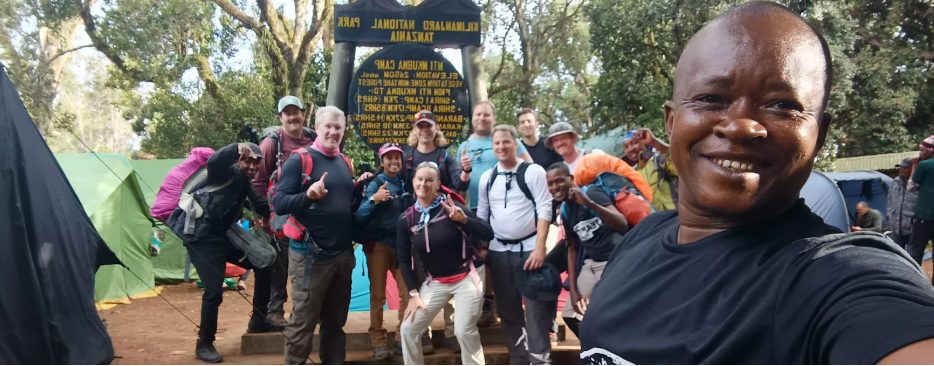
Every ascent is plural. No climber reaches Uhuru Peak alone; no rhythm sustains without harmony. The mountain is full of invisible choreography — guides adjusting pace, porters anticipating need, climbers matching one another’s cadence.
In that unity, exhaustion softens. A tired laugh, a shared sip of water, a steadying hand — these small gestures form the moral infrastructure of the climb. They reveal that progress is never a solo achievement; it is a collective heartbeat.
The Philosophy of Fatigue
Somewhere between the moorland and the ice lies the quiet truth that effort itself is holy. Fatigue is not failure; it is feedback. It reminds us that growth costs something real. To feel one’s limits is to meet the edges of possibility.
The mountain does not glorify exhaustion, but it honours honesty. Those who admit their weakness learn to work with it — pacing, adjusting, persisting. The rhythm of ascent becomes the rhythm of acceptance.
The Summit as Stillness
Reaching the top is not a burst of triumph but a moment of peace. The horizon opens like a long-withheld answer. The climber, now slower and smaller, realises that arrival is not conquest; it is comprehension.
Motion was never the goal — meaning was. The summit, in its silence, teaches that purpose is found not in how fast we rise, but in how faithfully we move.
The Return as Renewal
Descending the mountain feels like awakening from a long, lucid dream. The rhythm learned in thin air begins to pulse through ordinary days — walking, working, creating. The lesson endures: every action, however small, can be made sacred if performed with awareness.
For those seeking that balance between drive and depth, ambition and alignment, it begins with those who craft every ascent with precision and principle. Their leadership transforms motion into meaning, ensuring that each climb — and each life — keeps time with the quiet rhythm of integrity.
Plan your own journey through the Kilimanjaro climb dates and discover the cadence that connects endurance with enlightenment.